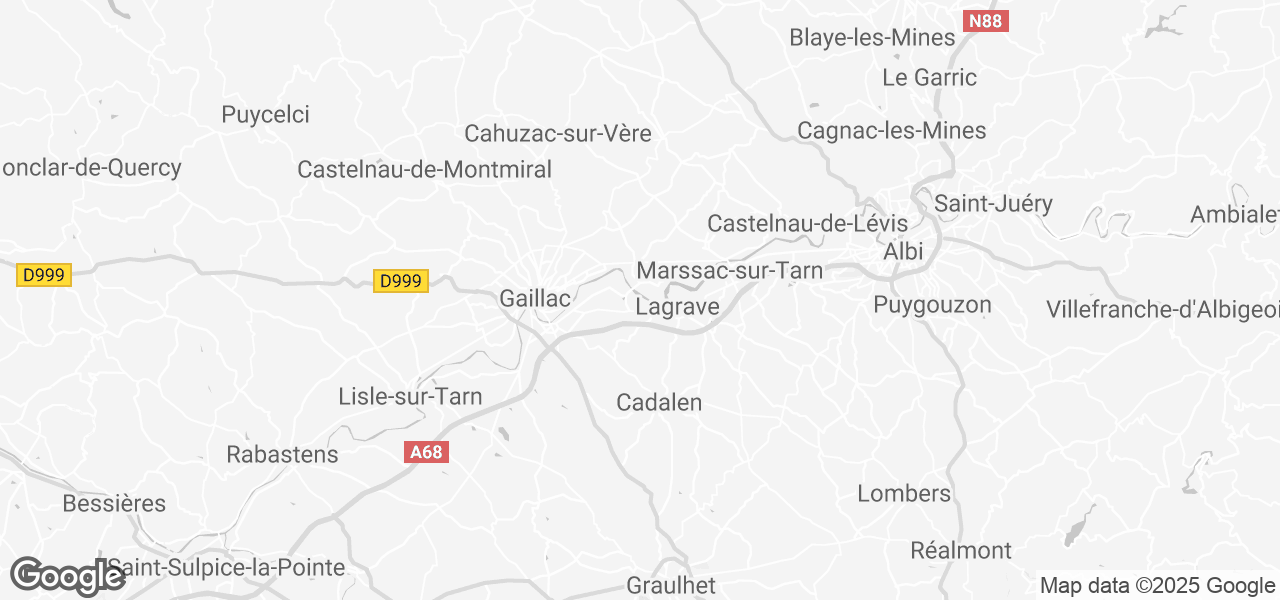
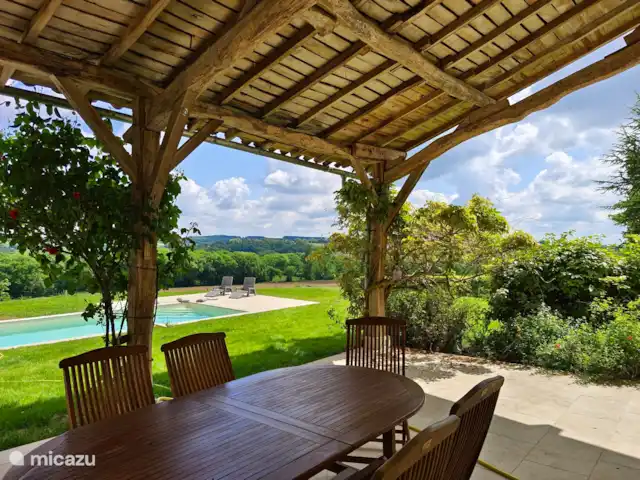
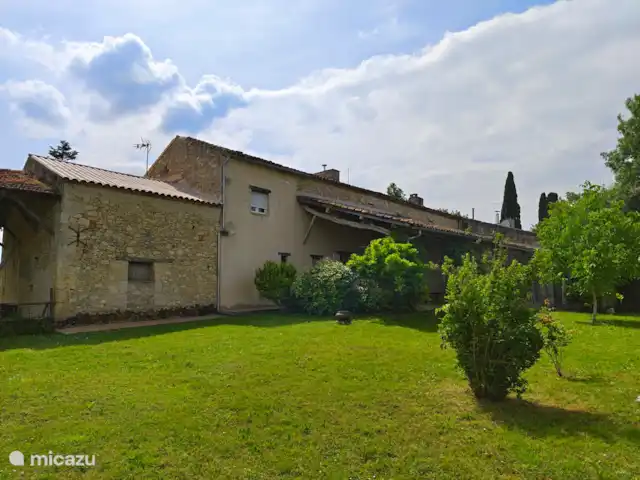
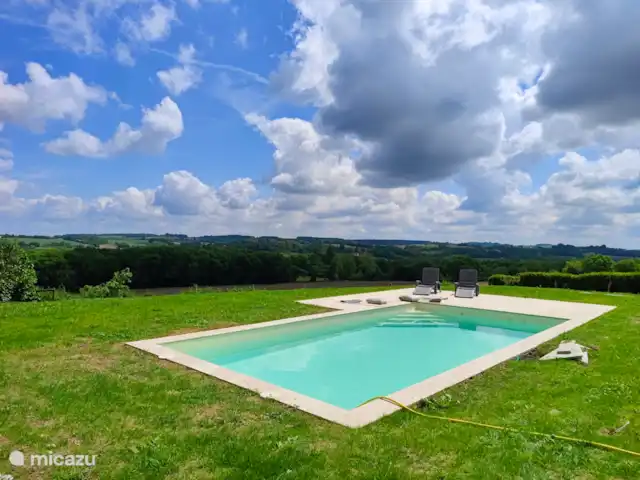
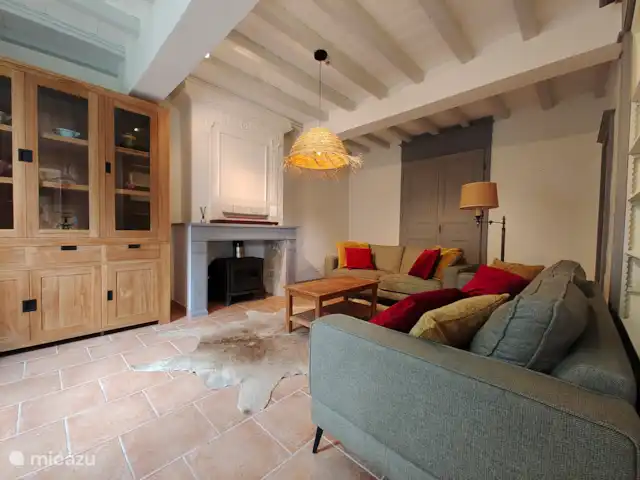
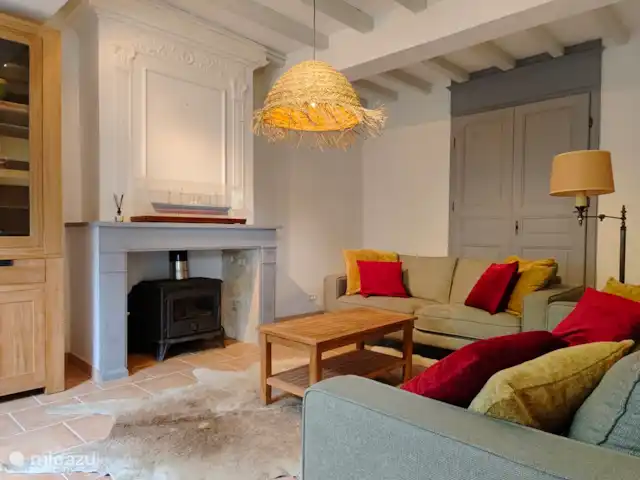
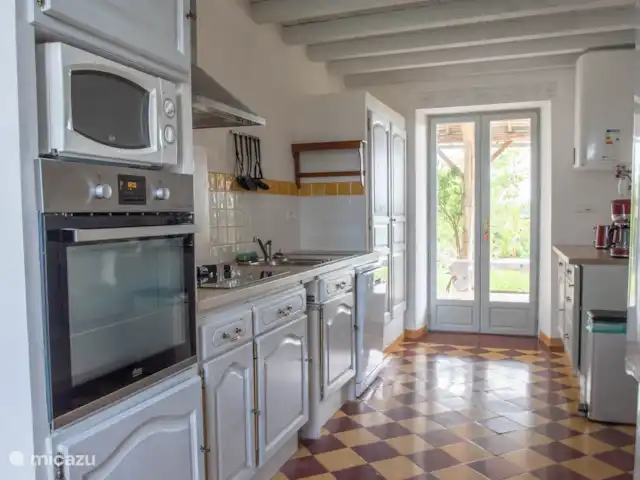
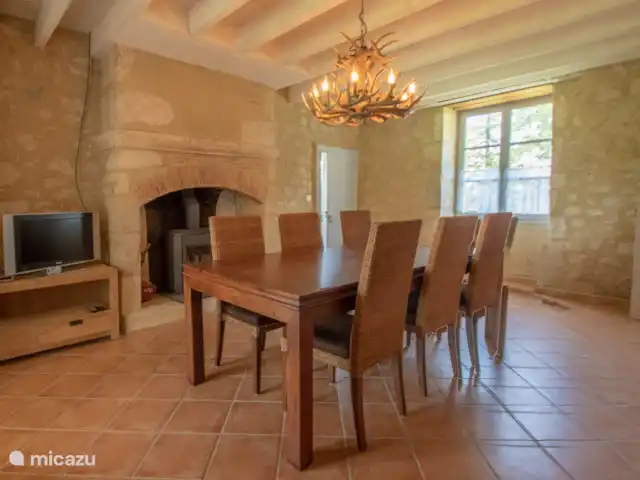
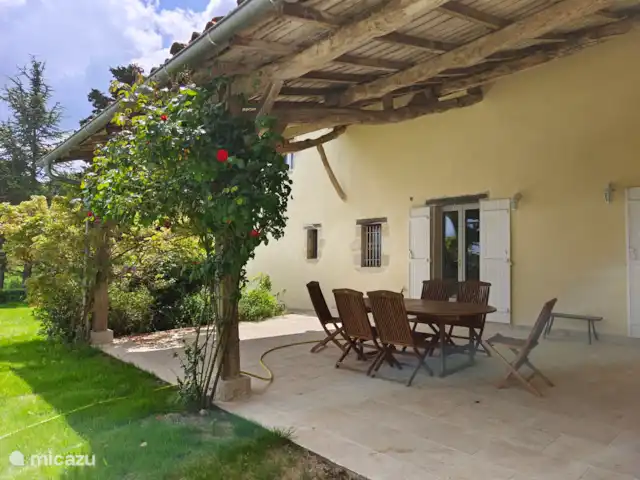
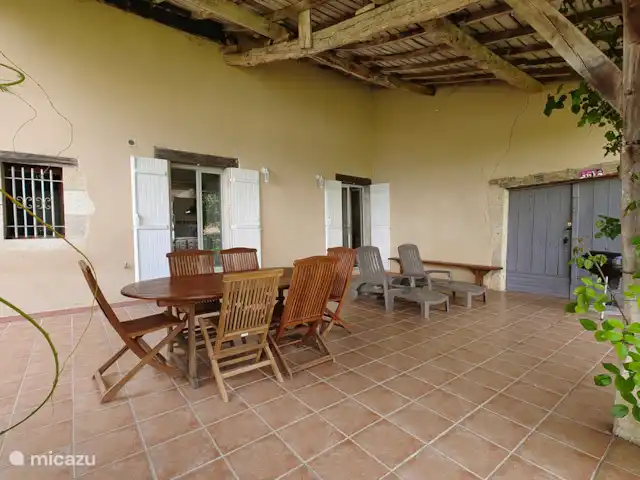
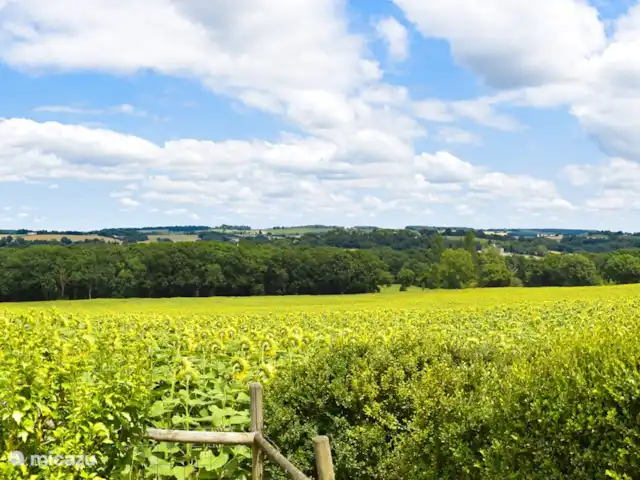
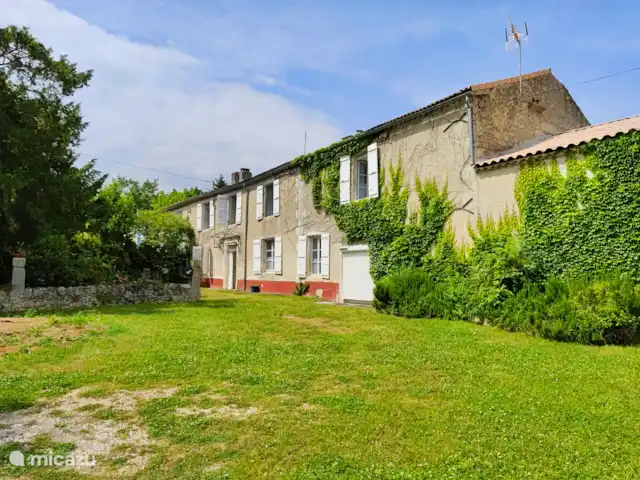
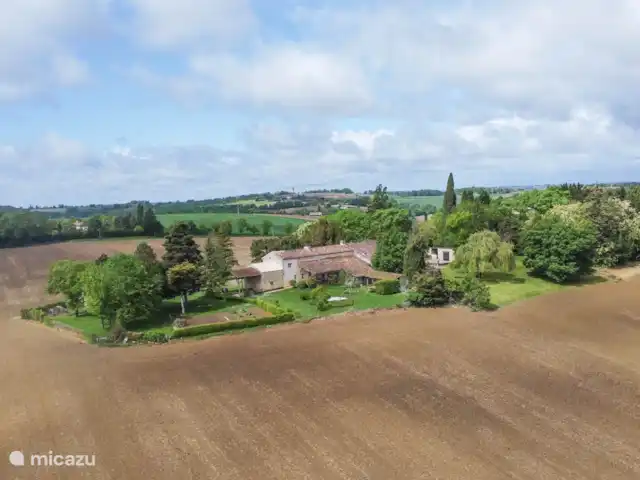
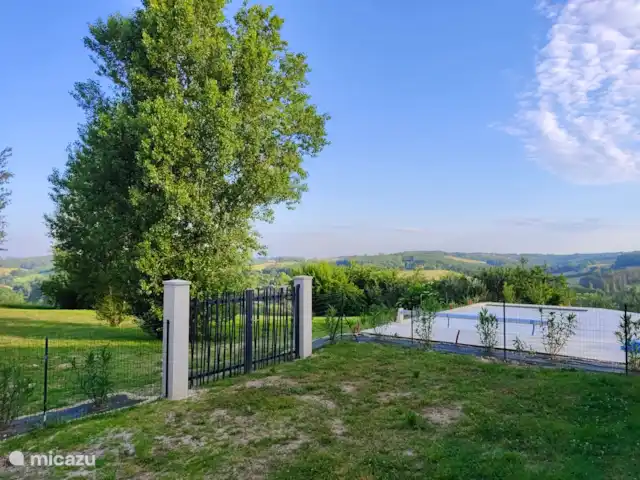
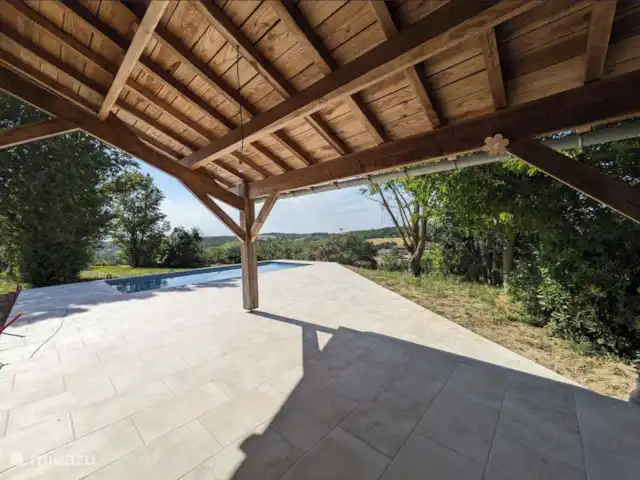
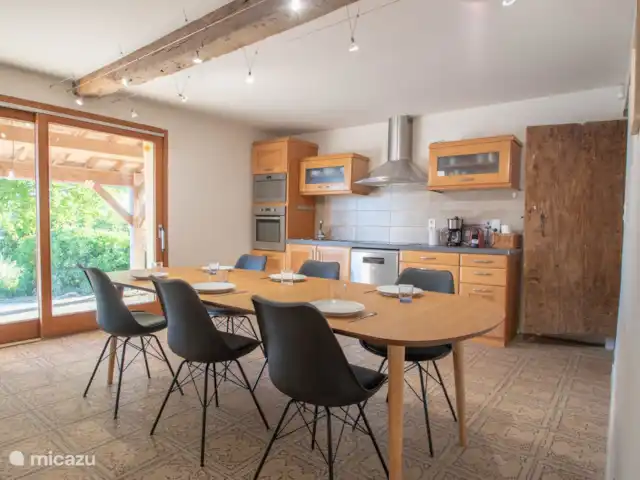
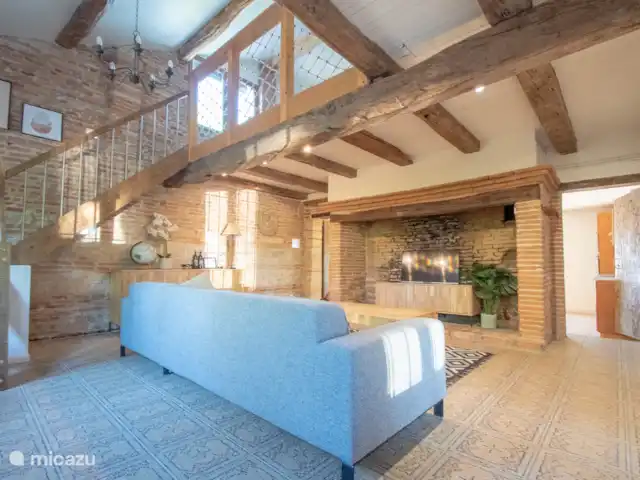
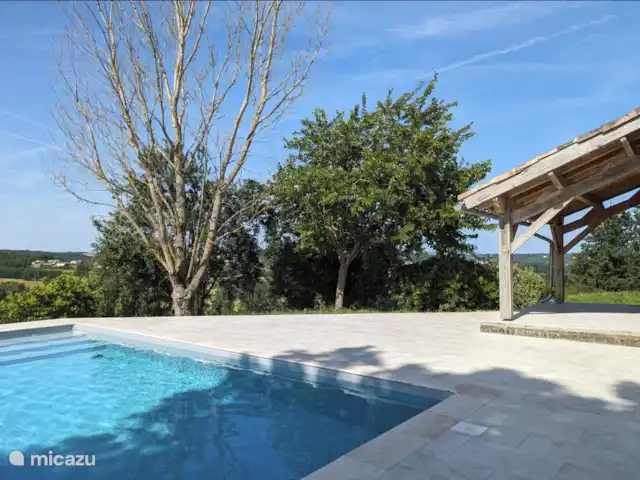
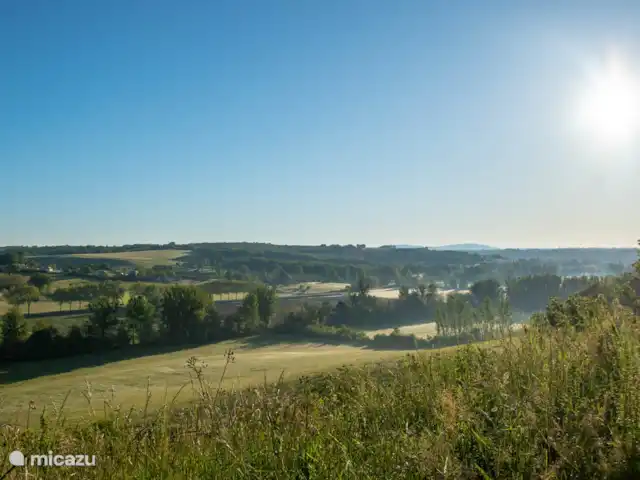
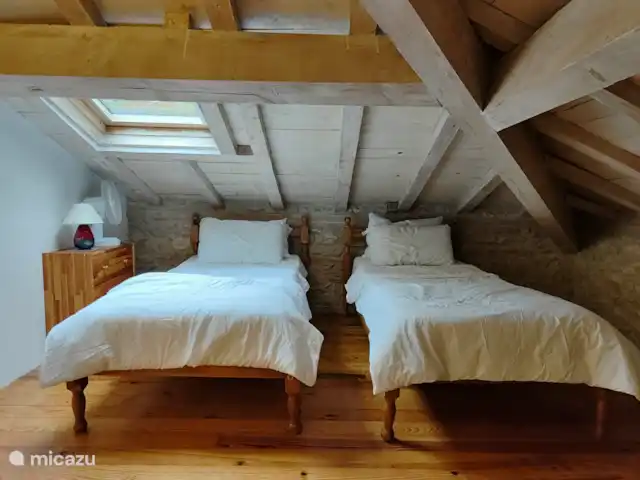
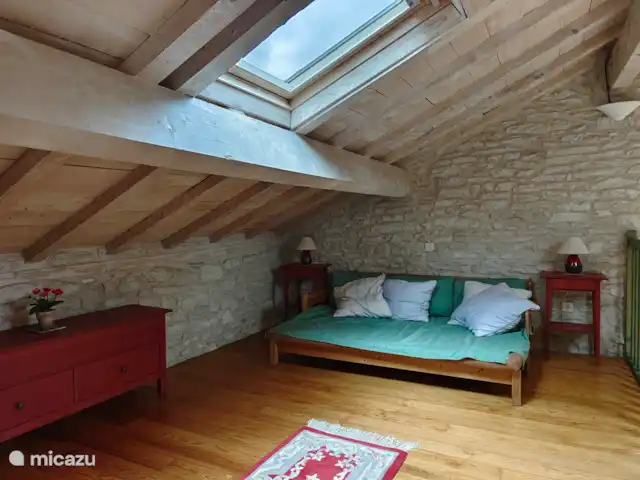
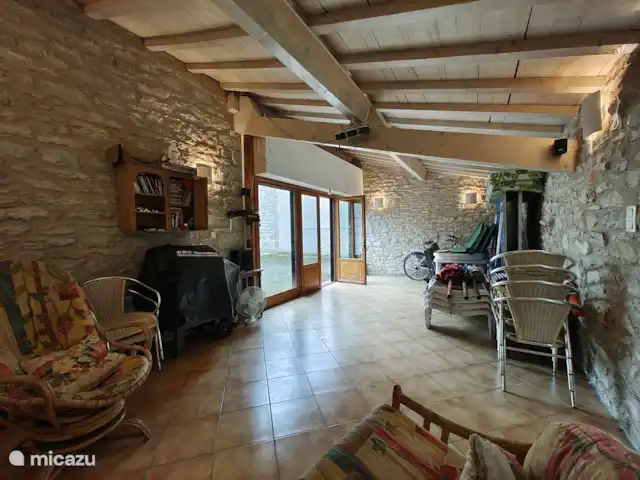
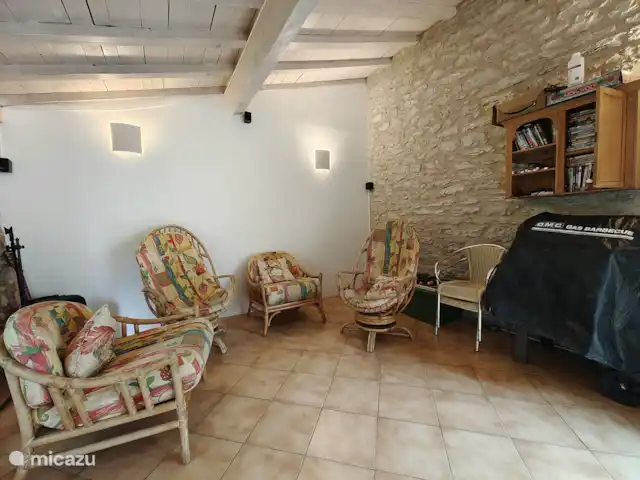
With its rural charm, Lagrave is about fifteen kilometres west of Albi and is a must-see for wine lovers. Many wineries open their doors to visitors for tastings and guided tours. Archaeology enthusiasts will find their happiness on the site of Sainte-Sigolène, where a convent was founded in the seventh century. The surroundings of Lagrave offer wonderful hiking or cycling opportunities through the vineyards and hilly landscape. Gastronomy is in the spotlight with regional products such as Gaillac wines and seasonal fruit.
The house is ideally located to discover the most beautiful villages and tourist sites of the region: To discover in the surroundings:
Magnificently located on the banks of the Tarn, Albi well deserves its nickname of "red city"! This episcopal city, a mixture of brick and natural stone, is a UNESCO World Heritage Site and considered one of the jewels of the southwest with its beautiful buildings and picturesque charm. The Cathedral of St. Cecilia is not only the largest brick cathedral in the world, but also the largest painted cathedral in Europe. In addition to the cathedral, which resembles a fortress, the La Berbie Palace is another architectural gem. The palace, which has a courtyard of honor, is surrounded by two towers. Built in the thirteenth century, it houses the Toulouse-Lautrec Museum. Finish your tour with a stroll through the beautiful palace gardens, which offer stunning panoramic views of the river, the banks of the Tarn, the Pont-Vieux, and, in the distance, the surrounding hills.
The Château de Mauriac, a must-see historic building in the Tarn. Until the seventeenth century, the castle was known as a Pastelier castle, where pastel was grown to dye clothes blue. Fully furnished, the Château de Mauriac is considered one of the 50 most beautiful private residences in France.
Castelnau-de-Lévis, in the north of the Tarn, is renowned for its rich historical heritage and its peaceful living environment. The castle of Castelnau-de-Lévis is one of the most important tourist sites in the town. It majestically dominates the medieval village and offers an exceptional panorama of the Tarn valley. This building testifies to the strategic importance of the region at that time. As you walk through the narrow streets of Castelnau-de-Lévis, you will discover a typical village with its stone houses, small shady squares and church.
Cordes-sur-Ciel, a magnificent bastide in the Tarn, one of the oldest in Occitania, has an exceptional Gothic heritage, all phases of which are represented: the primitive of the thirteenth century, the radiant of the fourteenth century and the flamboyant of the fifteenth century. Founded in 1222 by Raymond VII, Count of Toulouse, the small town has managed to retain its authenticity, which makes it so charming. Walking through the medieval city is an unforgettable experience, especially as the streets are full of craft shops and art galleries. One of the most beautiful villages in France, set on a hill with cobbled streets, Gothic buildings and stunning views.
The bastide village of Castelnau-de-Montmiral, classified as one of the most beautiful villages in France, was built around 1222 and has gone through many conflicts, which has allowed it to preserve its magnificent heritage. Of the original six gates of the ramparts, only three remain. Inside the ramparts, take the time to stroll through the maze of alleys: the beautiful brick and half-timbered houses are a feast for the eyes. One of the must-see sights is the central square with its pointed arcades, a real jewel of medieval architecture! The fifteenth and sixteenth century church houses the cross of Montmiral. Don't miss the town hall and the 17th-century Bozat house. Located on a rocky outcrop, Castelnau-de-Montmiral also offers a magnificent view of the Grésigne forest and the Gaillac vineyards!
The medieval village of Monestiés, located on the banks of the river, is a peaceful stopover in the Tarn department. Dating back to the tenth century, the village today offers a rich heritage with its old half-timbered houses and corbelled houses, its old fortifications and its cultural treasures. One of the highlights of Monestiés is the Chapel of Saint-Jacques with its twenty life-size statues made of multicolored stone! Then stroll through the narrow streets of the village to discover other vestiges of the past: the 12th-century Candèze bridge crossed by pilgrims on their way to Santiago de Compostela, the Griffoul fountain, the Saint-Pierre church around which the village developed...